October 28, 2026
When Your Garage Door Opener Needs Repair: A Practical Guide
By @garagedooropenerrepairinsight
Garage door openers are one of those home features you don't think about until they stop working. You press the remote, nothing happens. You press the wall console, maybe a click, maybe silence. Suddenly, your day is interrupted by a door that won't budge. I have seen this happen more times than I can count, and in most cases, the issue is something straightforward. Understanding what can go wrong and how to spot it saves time, money, and frustration.
Many homeowners assume that if the door doesn't move, the opener is dead. But often, the problem is simpler. It could be a misaligned safety sensor, a worn drive gear, or a limit switch that needs adjustment. The trick is knowing where to look and when to call for help. In this article, I will walk through the common failures, the parts involved, and how to approach garage door opener repair with confidence.
The Heart of the System: Motors and Drives
Modern openers use a DC motor for smooth, quiet operation and better battery backup performance. Older units often rely on an AC motor, which can be noisier but still reliable. The motor turns a drive mechanism, and there are three main types you will encounter: belt drive, chain drive, and screw drive. Belt drive systems are common in residential openers because they are quiet and efficient. Chain drives are often found on heavier doors or older models. Screw drives use a threaded rod to push the trolley along a rail, and while they are less common now, you still see them on some commercial setups.
When a motor runs but the door doesn't move, the problem is usually in the drive gear or the trolley. Nylon drive gears can strip over time, especially if the door is out of balance. A stripped gear means the motor spins but the carriage doesn't move. This is a classic symptom that leads people to search for garage door opener repair. Replacing a drive gear is doable, but it requires removing the opener from the ceiling and disassembling the gearbox. For most people, that is a job for a pro.
Limit Switches and Travel Modules
If your door opens partway then stops, or closes but doesn't seal, the limit switch is likely off. The limit switch tells the opener when to stop the door at the fully open and fully closed positions. On many openers, this is a set of screws or dials on the power head. On newer units, it is a travel module that uses an encoder or magnetic sensor. Adjusting the limit switch is simple: with the door fully closed, turn the close limit adjustment until the opener clicks off. Then open the door fully and adjust the open limit. But if the door reverses direction for no reason, the issue might be with the travel module or the safety sensors.
I have seen cases where a homeowner spent hours adjusting limits only to find the travel module had a broken gear inside. In that situation, the module needs replacement. This is a common part on LiftMaster and Chamberlain openers, and it usually comes as a small plastic unit with a gear and a sensor. The repair is not hard, but it does require opening the cover and being careful with the wiring.
Safety Sensors: The Silent Stoppers
Safety sensors are those two small boxes mounted near the floor on each side of the door. They transmit an invisible beam across the opening. If the beam is broken while the door is closing, the opener reverses direction. This is a safety feature required by law since the early 1990s. But if the sensors get misaligned, dirty, or damaged, they can cause phantom reversals. The door closes, hits the floor, then goes back up. Or it stops midway for no reason.
Cleaning the lenses with a soft cloth often fixes it. If the alignment is off, adjust the brackets until the LED on the receiving sensor glows steady. If the sensors are damaged or the wire is cut, replacement is necessary. Most sensors are compatible across brands, but Genie and Craftsman sometimes use unique connectors. When doing garage door opener repair, always check the sensor wiring for nicks or rodent damage. I once found a sensor wire chewed clean through by a squirrel. That was a quick fix.
Wall Consoles, Remotes, and Keyless Entry Pads
The wall console is the wired controller inside your garage. It usually has a button to open and close the door and a light button. If the wall console works but the remote doesn't, the problem is in the remote or the receiver. Try replacing the battery in the remote control first. If that doesn't help, reprogram the remote by following the opener's pairing procedure. On LiftMaster and Chamberlain units, you press the learn button on the opener, then press the remote button. On Genie, you might need to set the code using dip switches.
Keyless entry pads are great for when you leave your remote in the car. They use a code you enter on a numeric keypad. If the pad stops working, check the battery. Some models have a small lithium coin cell that dies after a year or two. Also, the pad's wireless signal might be weak if the opener is far away. In that case, moving the antenna or installing a repeater can help.
Springs and Cables: The Heavy Lifters
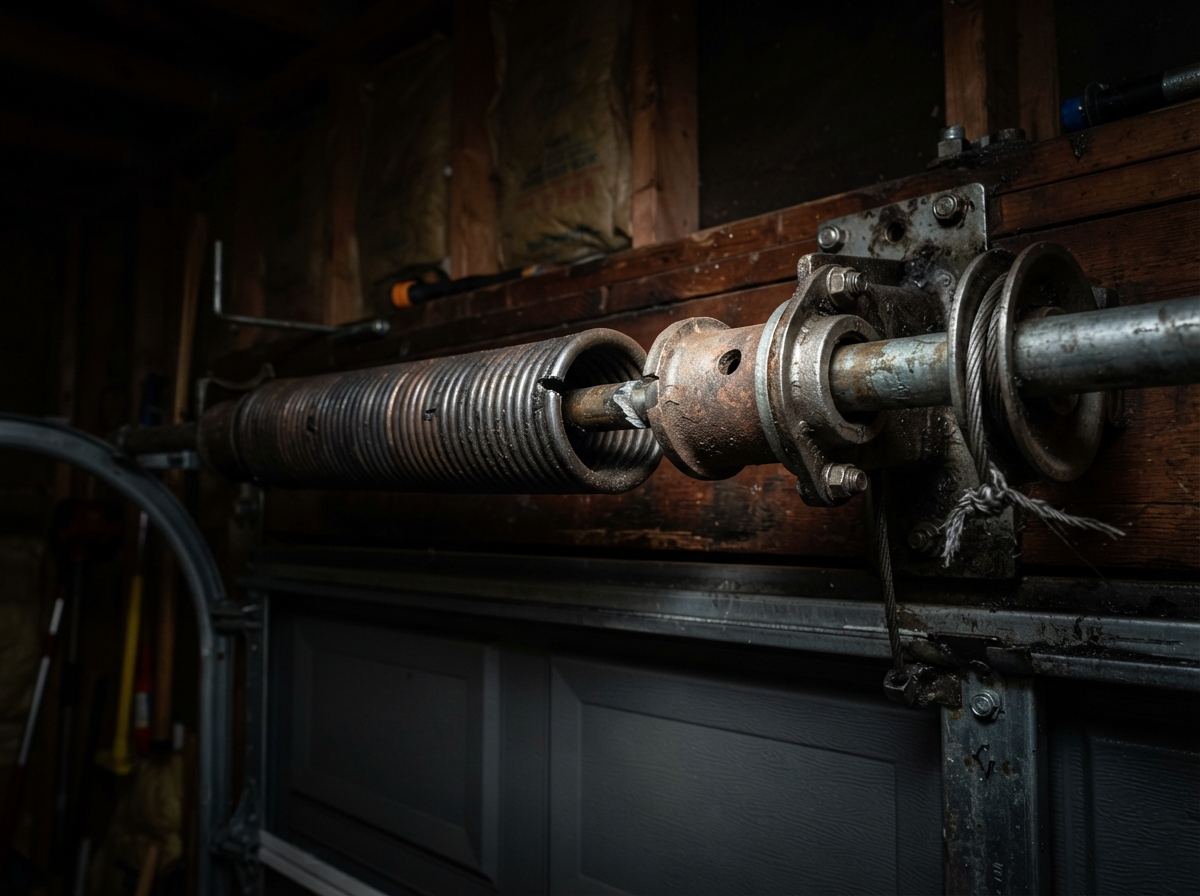
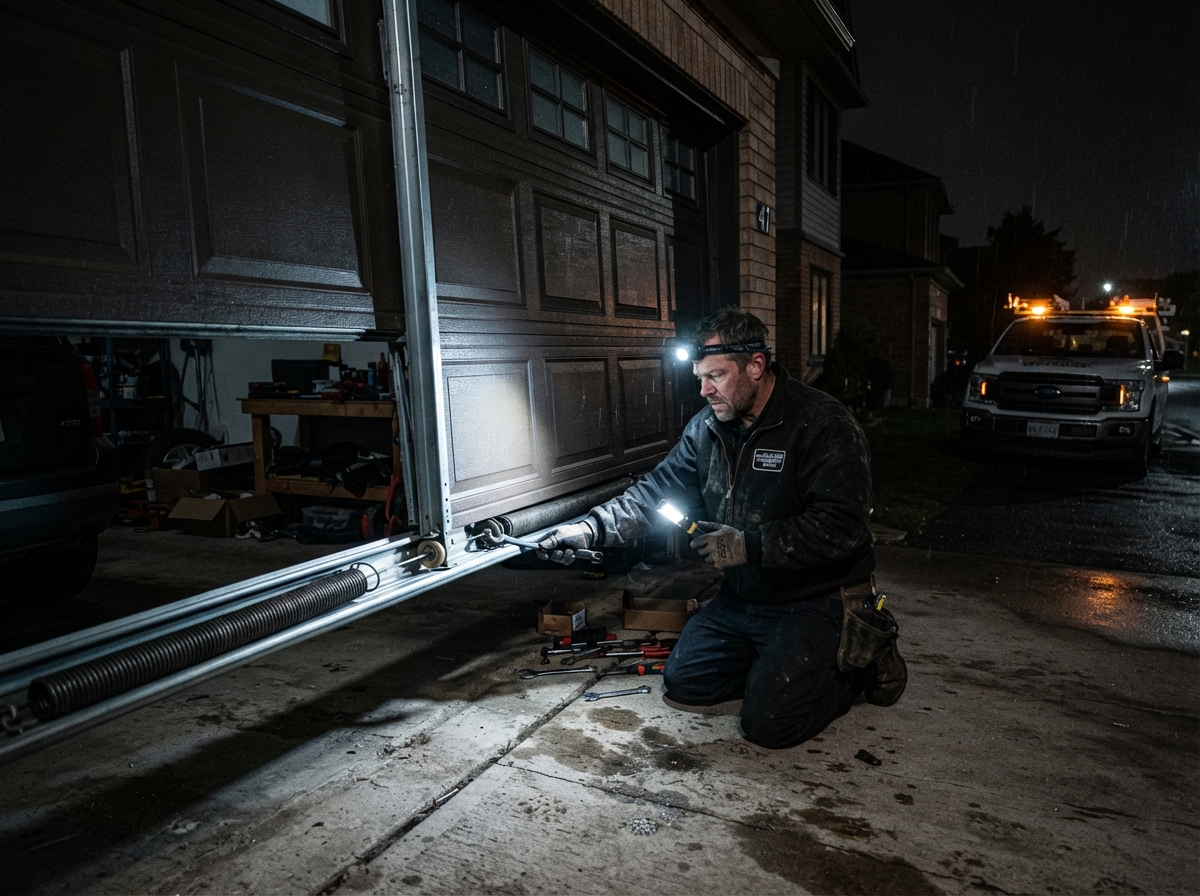
The opener doesn't lift the door alone. The torsion spring or extension spring counterbalances the door's weight. If the spring breaks, the door becomes very heavy, and the opener will struggle or fail to lift it. A torsion spring is mounted on a shaft above the door. An extension spring runs along the horizontal track. Both types can fatigue and snap. When a spring breaks, the door often slams down or won't stay open. This is a dangerous situation. Never try to replace a torsion spring yourself without proper tools. They are under high tension and can cause serious injury.
Cables connect the spring system to the bottom bracket of the door. If a cable snaps, the door might tilt or fall. Replacing a cable is a job for someone who understands the tensioning process. Many garage door opener repair calls turn out to be spring or cable issues, not opener problems. A good technician will always check the door's balance before blaming the opener.
Battery Backup and Power Issues
Openers with battery backup can operate during a power outage. The battery is usually a sealed lead-acid or lithium-ion pack. If the backup stops working, the battery may need replacement. Some openers have a test button to check the battery. If the door works fine on AC power but not on battery, the battery is dead. Replace it with the exact model recommended by the manufacturer. Using the wrong voltage can damage the opener's circuit board.
Common Wear Parts
Over time, rollers on the door track can wear out. The rollers are the small wheels that ride in the track. If they become flat or squeaky, the door jerks as it moves. Replacing rollers is a simple DIY job, but you need to support the door safely. The drive gear inside the opener is another wear item. On some models, the gear is made of plastic and can crack under heavy use. The travel module and limit switch are also common failure points.
When you call for professional garage door opener repair, the technician will likely check all these components. They will test the safety sensors, adjust the limit switch, inspect the spring and cables, and verify the remote and wall console function. They may also lubricate the rollers and hinges. Regular maintenance can extend the life of your opener by years. A little attention to the small parts prevents big problems.
When to Do It Yourself and When to Call a Pro
Some repairs are safe and easy. Replacing a remote battery, cleaning sensor lenses, adjusting the limit switch, and lubricating the track are all tasks a homeowner can handle. But if you have to touch the springs, the cables, the drive gear, or the opener's internal wiring, it is time to call a professional. The torsion spring is especially dangerous. Even a simple limit switch adjustment can become complicated if the door is out of balance.
I have seen people try to fix a noisy belt drive by tightening it, only to snap the belt. Belt drive systems need just the right tension. Too tight and the belt wears quickly. Too loose and it slips. A pro knows the correct tension. Also, if your opener is more than 15 years old, consider replacement rather than repair. Newer openers are quieter, safer, and more efficient. They have better battery backup, smarter travel modules, and improved safety sensors.
In my experience, a well-maintained garage door system can last 20 years or more. The key is catching small issues before they become big ones. If your door hesitates, reverses for no reason, or makes grinding noises, don't ignore it. A small investment in garage door opener repair today saves you from being stuck with a door that won't open tomorrow. Whether you fix it yourself or call a technician, the sooner you act, the better.
❧